 ACCREDITED BUSINESS |
Biko Sports Bands for Athlete and Working Dogs
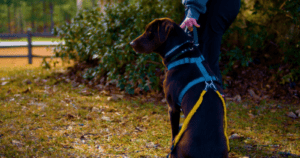
Biko Sports Bands are designed to build strength, improve endurance, and enhance conditioning in performance and working dogs through progressive resistance training.
While Sports Bands focus on elastic resistance during movement, Biko Weight Cuffs provide a different form of targeted conditioning. Below, you’ll learn how each product supports fitness and conditioning and when and how to integrate the products in your dog’s conditioning program.
Biko Sports Bands
The Biko Sports Bands integrate resistance training into your athlete and working dog’s conditioning program. The Biko Sports Bands are the “only” resistance training tool currently available for professional- and amateur-handled canines.
More and more veterinary sports medicine practitioners and dog trainers/handlers are incorporating resistance training for strength development and endurance conditioning. Whether your dog is a professional or amateur athlete or working dog, the Biko Sports Bands offer a significant advantage to fitness routines. They are affordable, portable, and help decrease the risk of sports-related injuries by improving muscle strength.
How the Biko Sports Bands Work
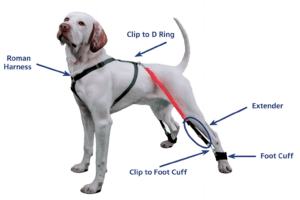 The Biko Sports Bands run from the dorsal midline D ring of a standard Roman harness to the tarsal area of the dog’s hind limbs. As the bands lengthen, the resistance increases, mimicking everyday movement as well as sport-specific activities. The functional movement patterns created by the resistance bands aid the canine athlete in developing and maintaining optimum strength and endurance.
The bands come in three resistance strengths in a color-coded system of progressive resistance: lime green (light), orange (medium), and royal blue (strong).
The Biko Sports Bands should be part of your athlete and working dog’s conditioning program.
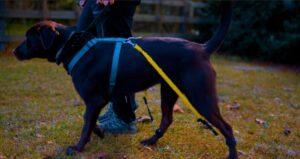 Start with three (3) sessions per week using the light resistance.
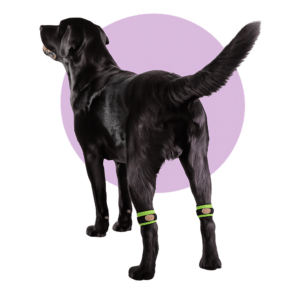 Biko K9 Weight cuffs offer the benefits of both a weight training modality for rehab patients and a conditioning tool for athlete and working dogs: